
Photo by Tima Miroshnichenko
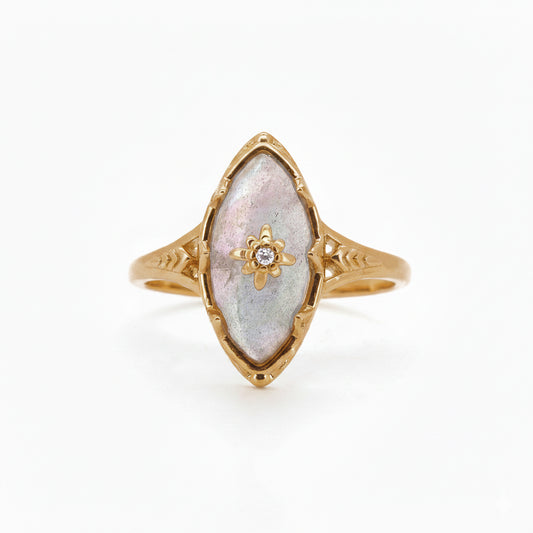
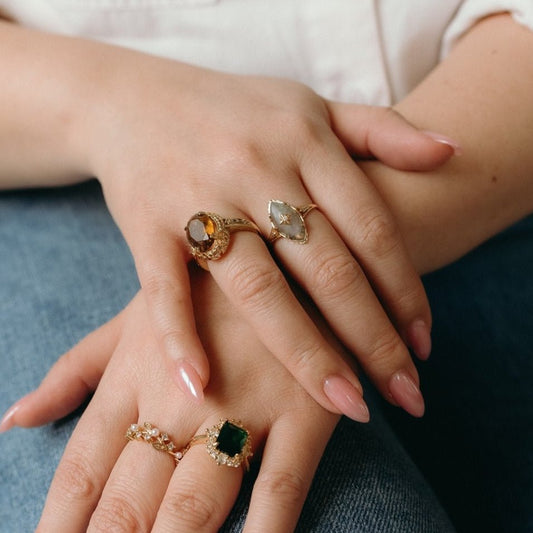
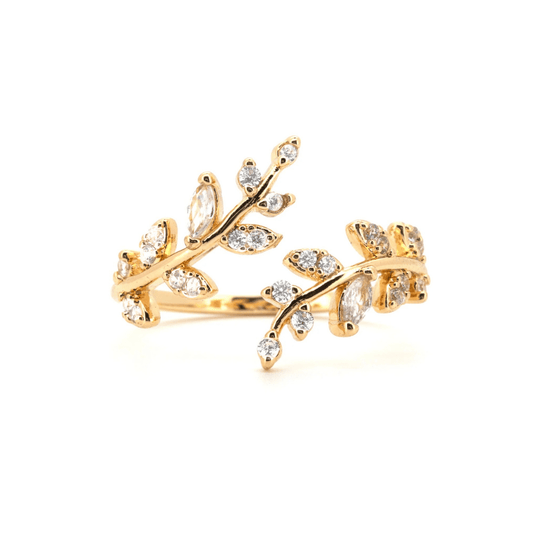
I recently received a big restock of rings and pulled out my trusty mandrel to size every single one by hand.
And by every single one, I mean around 300 rings.
That’s always my routine. I size them one by one, label them carefully, and spot test some on my own fingers to make sure the fit actually makes sense. I know that sounds a little intense, but ring sizing can go sideways fast. Tiny differences feel huge once a ring lands on your hand.
How I discovered a ring sizing problem
The trouble started when I reached the first size 8 design.
Every single one measured wrong.
Not a little wrong. Really wrong. Some ran big. Some ran very big. A few landed as much as 3/4 of a size off.
Now, a quarter size sounds tiny. It only takes about 0.2 mm to shift a ring by that much. That sounds like nothing.
Let me tell you... It isn’t.
When a ring runs even 0.2 mm too big, you feel it. The ring spins. It slides around. It never settles properly. If you’ve ever worn a ring that felt just slightly too loose, you know the feeling right away. It bugs you instantly.
I wear a size 8 on my middle finger, so I know exactly how obvious that difference feels.
What digital calipers revealed about ring size
So when my size 8 rings didn’t measure up to standard North American sizing with my mandrel, I knew something was wrong. At that point, I stopped arguing with my own instincts and grabbed my digital caliper and a vise so I could measure them properly, hands free.
According to North American standard sizing, a size 8 ring should measure about 18.1 mm across the inside diameter.
These rings came in closer to 18.7 mm.
That tiny 0.6 mm gap doesn’t sound dramatic until you convert it. That works out to roughly 3/4 of a ring size. And as someone who actually wears a size 8, I can tell you right now that 3/4 of a size doesn’t feel small. It feels annoying.
Why ring mandrels can show the wrong size
Then I hit the part that really made me lose my mind.
My mandrel still showed size 8.
How could the rings measure larger with calipers, fit larger on my finger, and still read as size 8 on the mandrel?
That’s where my partner stepped in. He has a mechanical engineering background, which means he often explains things in ways that solve the mystery and irritate me at the same time.
Mandrels taper, and that taper can affect the reading.
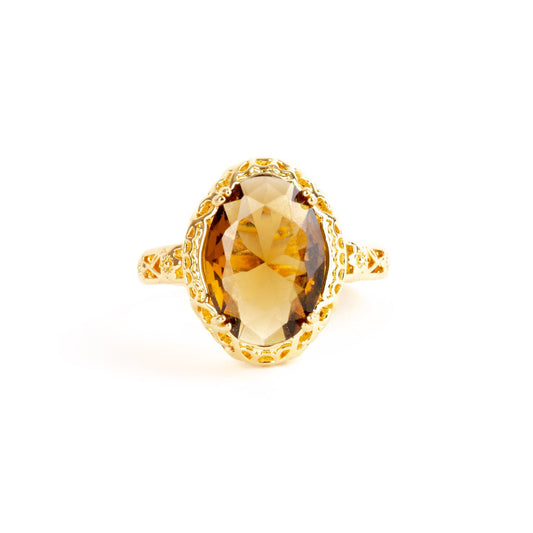
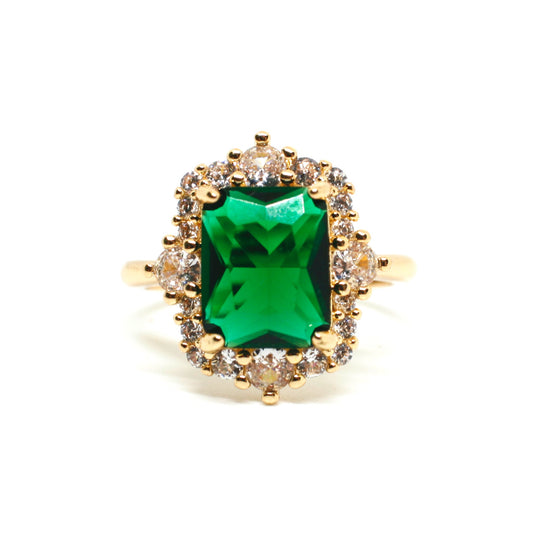
If you size a plain, straight band, a mandrel usually does a solid job. But plenty of rings don’t have a plain straight shape. They have gemstones, settings, prongs, thicker fronts, decorative shoulders, or other details that change how the ring sits on the tool.
So instead of the inside of the band reaching the exact point you think it should, another part of the ring can catch the taper first.
That means the mandrel can look right even when the fit feels wrong.
Why I tested different types of ring mandrels
Once I understood that, I went all the way down the rabbit hole, because then I had a new problem. How could I give my customers the most accurate sizing possible if my sizing tool didn’t always tell the full truth?
So... I bought more mandrels.
Now I own three. One steel tapered mandrel with a smooth round surface. One plastic mandrel with a flat side that shows US and UK sizing. And one steel mandrel with a flat sizing face too, which should give me a more consistent reading.
My partner also pointed out something else very true and very annoying.
Most people don’t measure rings with digital calipers clamped into a vise like an entrepreneur slowly losing patience. They use a mandrel. Or a ring sizer. Or they compare the fit to rings they already own.
Why jewellers use ring mandrels
Ring sizing doesn’t come down to one perfect mathematical measurement. It comes down to fit. How the ring moves over the knuckle, how it sits at the base of the finger, and how the shape of the band changes the feel.
That’s why jewellers use mandrels. Not because mandrels give flawless answers every time, but because they line up with real-world fit and standard ring sizing.
I still use digital calipers too. They help a lot. I use them as a second check when something feels off. They help me catch bigger discrepancies, compare batches, and spot rings that might run out of round or come in incorrectly sized.
But neither tool tells the whole story on its own.
A mandrel can give you a reading that looks right while the ring still fits too large. A caliper can give you a precise diameter measurement without fully capturing how the ring will feel on a finger. Add settings, thicker bands, or comfort-fit shapes, and the whole thing gets even messier.
The bottom line
I don’t chase one magical tool anymore. I focus on consistency. I use a standard method, double check anything suspicious, and list the size that best matches how the ring will actually fit.
So yes, I still use mandrels. They remain the industry standard, and they still help. But I also trust my calipers, my own hands, and my own judgment when something feels off.
And yes, a mandrel with a flat sizing face can help with consistency. It gives you a clearer reference point than a fully rounded tapered mandrel, especially when you want a cleaner read. But ring sizing still comes down to fit, band profile, and using the same method every single time.
This whole process can feel both simple and absurd...
But I care a lot about getting sizing right, because small differences matter when you’re the one wearing the ring. So yes, I’ll absolutely keep obsessing over fractions of a millimetre so you don’t have to.